If you are an esports team manager, tournament organizer, league operations lead, or streetwear brand building an esports capsule, this is the guide we wish someone had sent you before your first order. We have been producing custom esports jerseys since 2017 — back when League of Legends franchising was a rumor and before any of our esports customers had ever used the phrase brand kit — and we have made every mistake in the book so you do not have to. Every section below is from production data, sample logs, customer email threads, and the post-tournament feedback forms organizers have sent us over the last nine seasons.
Esports apparel is not regular sportswear. The fabric has to survive 4-6 wash cycles a week (regular sportswear sees 1-2). The print has to look correct under hot stage lighting and on a 240Hz stream (regular sportswear only has to look good in person). The polyester interlock has to feel soft enough that players wear it for 9-hour practice days, not just 90-minute games. And the sponsor logos have to land exactly where the league's brand kit specifies — within 2 mm of position — because that sponsor paid six figures for the patch. None of this is on the spec sheet your team sends you; this guide puts it on the spec sheet.
If you read one section, read Quality Control & AQL (section 06). That is where the difference lives between a factory that delivers in September and a factory that delivers in December. Everything else is details on top of that foundation. The cheapest factory quote is rarely the cheapest factory.
01.01. The Esports Apparel Market in 2026 — And Why Fabric Choice Matters More Than Ever
Global esports revenue passed US $1.87 billion in 2025 and is on track for the second consecutive year of double-digit growth in 2026, with apparel, team merch, and tournament merchandise growing disproportionately fast compared to media rights and sponsorships. That is a lot of new procurement teams — many of them with no apparel sourcing background — making their first order of 50 to 5,000 sublimated jerseys with a factory they found on the second page of a Google search.
Here is what that means for you, the buyer: the rush orders are about to get worse. Production calendars at every supplier we know are filling up 60-90 days out. The factories that survive the surge will be the ones that already have (1) the fabric library in-house, (2) the color-management discipline to match Pantone Cool Gray 7 C exactly across jerseys, hoodies, and travel hoodies, and (3) the AQL 2.5 inspection cadence that keeps a 500-piece run at 99% acceptance instead of 87%.
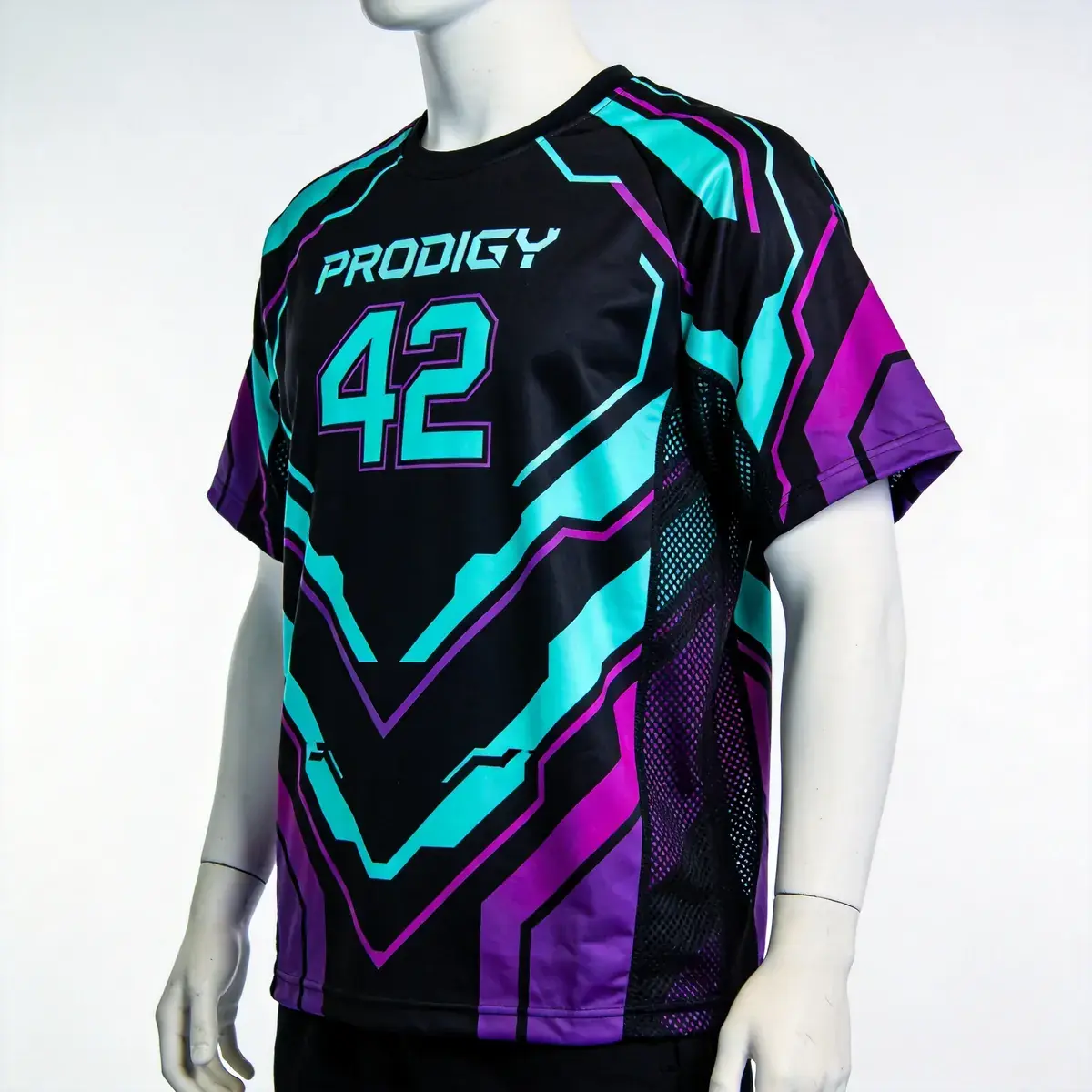
Figure 1 — A finished custom sublimated esports jersey from a recent 1,200-piece order for a top-tier European league. Same fabric, same MOQ, same 17-day timeline that we quote to all of our customers.
This post walks through every decision that affects what shows up at your venue on tournament day — fabric GSM, print process, sponsor placement, sizing runs, MOQ economics, AQL inspection, DDP shipping, and the contracts you should have in place with every factory you evaluate. We will name the specific numbers we use internally, the questions to ask, and the failure modes we have personally seen in the last 12 months.
02.02. Esports Jerseys vs. Regular Sports Jerseys — Five Real Differences
It is tempting to treat an esports jersey like a soccer jersey with a different logo on it. Most first-time buyers do, and they end up with a product that looks fine in the team photo and is unwearable by game three. Here are the five real differences — in the order they show up on production day.
1. Light durability. Esports jerseys get washed 4-6 times a week because players sweat through them during long practice sessions, then change for scrim nights, then change again for the live event. A regular sports jersey sees 1-2 wash cycles a week and is rotated with other training gear. Your fabric and print have to survive the ISO 105-C06 wash-cycle test at 5x the regular cadence.
2. Stage-light color accuracy. A soccer jersey on grass only has to look correct under daylight. An esports jersey has to look correct under hot magenta stage lighting, on a low-contrast 240Hz stream, and on the 4K broadcast camera. The color management work happens at the printer profile stage — every fixture we run uses an i1 Pro 3 spectrophotometer to keep the on-screen and on-stage colors within a Delta E of <2.5 from the original artwork.
3. Sponsor patch accuracy. Six-figure sponsorship patches have to land within 2 mm of the position in the league's brand kit. We mark every seam line on the artwork proof before we print, then submit a marker proof and a strike-off sample to the league for sign-off before bulk production. A regular sports jersey rarely has this constraint.
4. Garment range expansion. Sports teams order a jersey and maybe a warm-up. Esports organizations order the jersey, the away jersey, the warm-up hoodie, the travel hoodie, the media-day polo, the fan-version replica, the staff version, and the on-stream overlay shirt. One order can easily touch 7-10 different SKUs, each with its own artwork file and Pantone spec. Your factory needs an esports-dedicated product matrix or you will be re-explaining the brief every time you switch between products.
5. Merchandise-window compression. You have 30-90 days between the moment the team qualifies for a tournament and the moment the merchandise needs to be on sale at the venue. That is not a normal B2B apparel window. We hold capacity for rush orders that meet our sample and quality bar, but every factory has a cutoff.
03.03. The Custom Esports Garment Range — Beyond the Jersey
A full esports apparel range covers the on-stage, off-stage, travel, training, and fan-replica roles. Below is the kit we ship most often, in the order our esports customers buy.
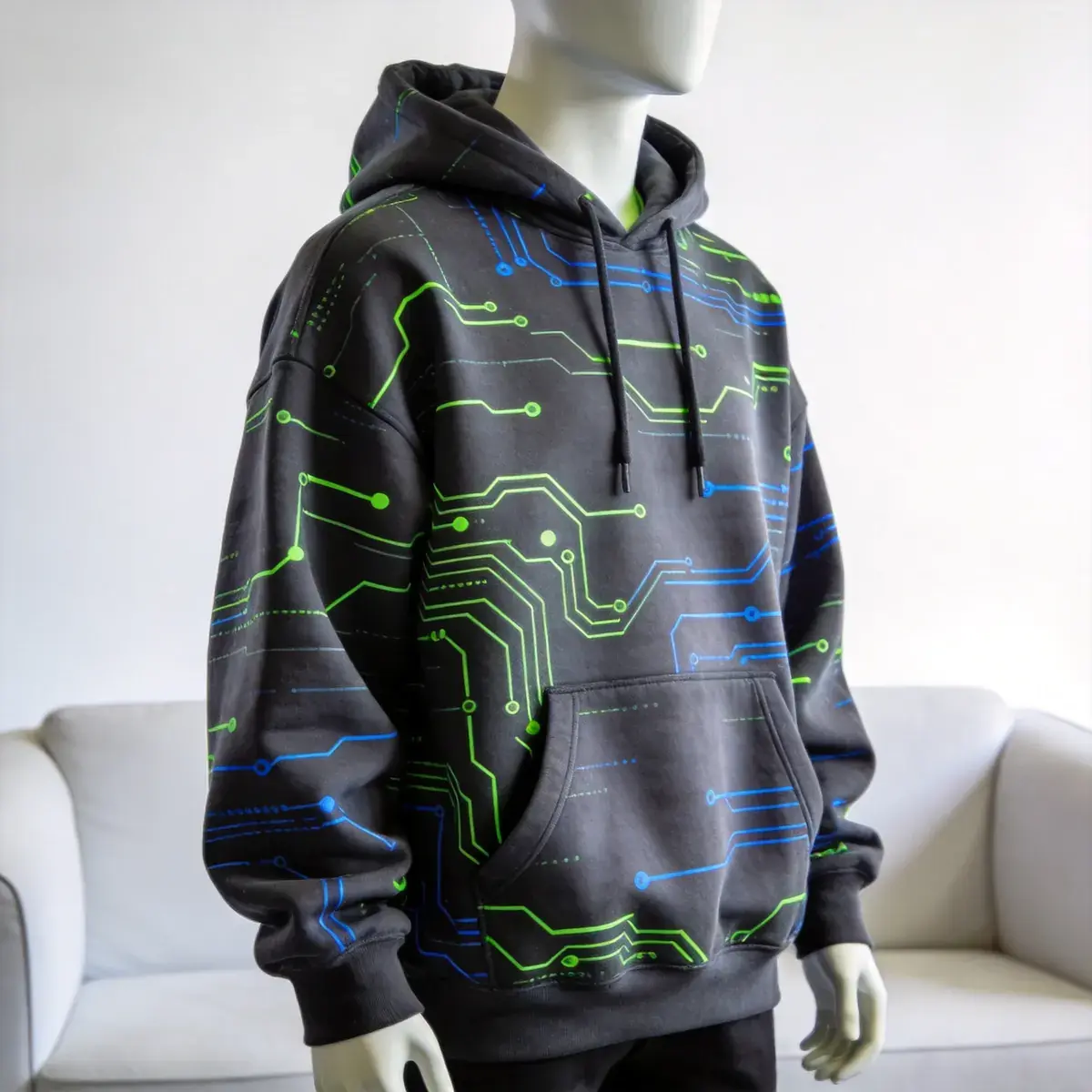
Figure 2 — Custom sublimated esports warm-up hoodie. 280 GSM brushed-polyester construction with edge-to-edge print, used for stage entrances and post-match walk-offs.
Match jersey — short sleeve. 160-180 GSM polyester interlock or 140-160 GSM birdseye mesh (depending on climate). Cut-and-sew with raglan sleeves. Edge-to-edge sublimation print, team crest on the chest, sponsor wall down the back, player names & numbers on the upper back.
Match jersey — long sleeve. Same fabric options as the short sleeve, with the addition of a thumbhole cuff option at no extra cost. Long-sleeve jerseys see more print area than short-sleeve — usually the entire forearm is reserved for sponsor logos, which means the artwork file needs a separate sleeve panel layer.
Warm-up hoodie. 280-320 GSM brushed polyester (French terry back). Hood lined, drawcord in team Pantone, kangaroo pocket, sponsor patches on the sleeves. All-over print on hood and front panels; sleeves can be printed edge-to-edge or with a clean sponsor wall depending on the brand kit.
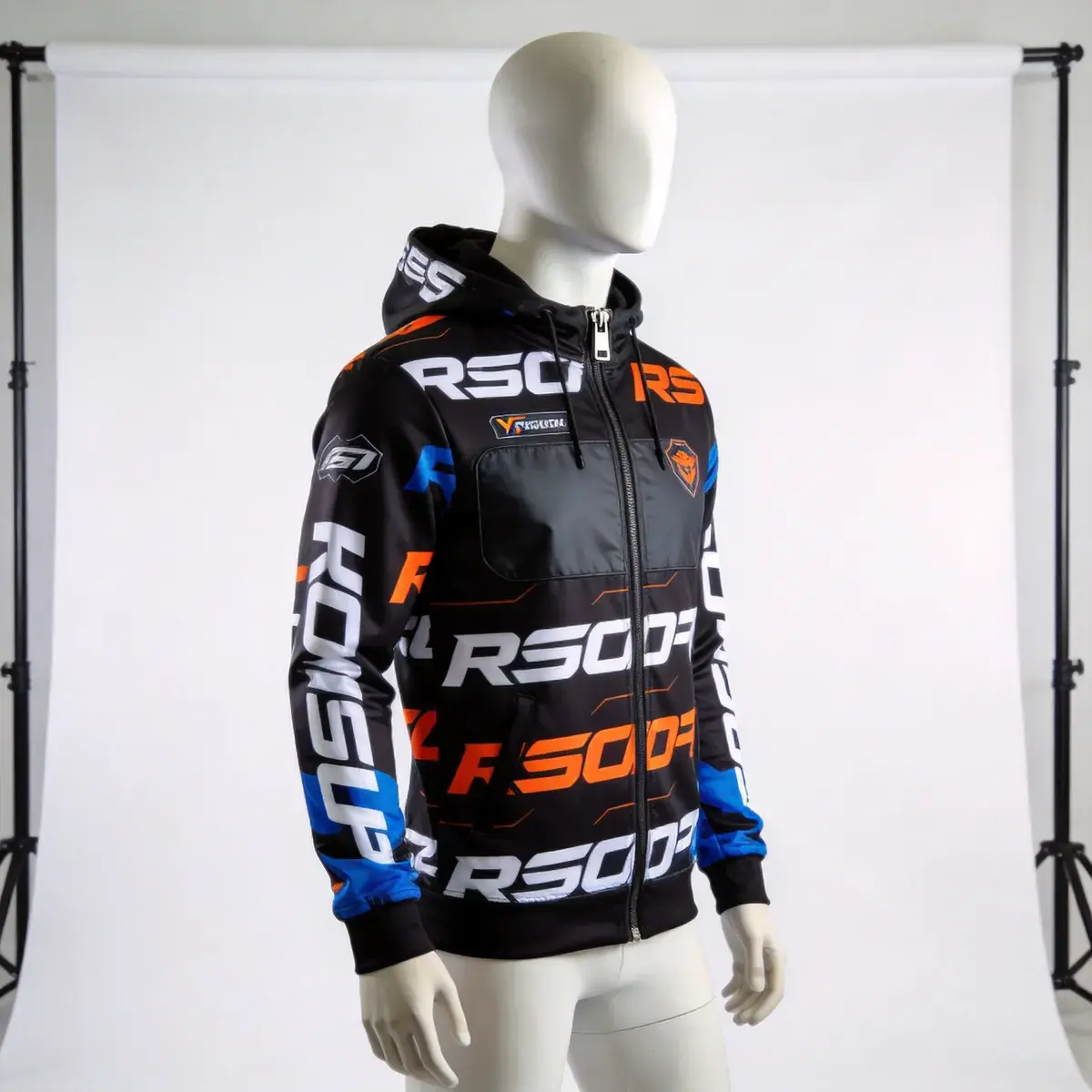
Figure 3 — Travel hoodie. Mid-weight 240 GSM heather polyester, the off-stage garment most esports players wear on stream and at scrim nights.
Travel hoodie / mid-layer. 220-260 GSM heather polyester with a brushed inner. Used for travel days, scrim nights, off-stream appearances. Mid-print coverage is most common — full-back print with the team motto or mascot.
Replica fan jersey. Same artwork as the player-issued jersey, slightly relaxed fit, 180-200 GSM interlock (a touch heavier than player-issue), printed edge-to-edge but with a thinner ink film for a softer hand-feel. Pricing is set up so the replica covers the team's apparel margin.
Media-day polo. Polyester performance polo at 180-200 GSM with a chest-area DTF or sublimation print for sponsors. Used in press conferences, sponsor events, and league functions. Front-of-house garment — has to look sharp on a headshot.
Staff version. All-black or all-navy polo / tee with a small team crest chest-print. Used by coaches, analysts, content creators, and stage crew. Same fabric as the player jerseys — staff gets the same quality garment.
Most esports organizations order 3-6 of the garments above for a full season. The whole kit goes through the same AQL 2.5 inspection and the same DDP shipping leg — you do not want to re-clear customs on six separate shipments.
04.04. Fabric and GSM — What Actually Works Under Stage Lights and 6 Wash Cycles a Week
Fabric choice is the most expensive decision in the order and the one most esports first-time buyers get wrong. They pick cotton because "cotton is soft" — and then learn that cotton does not accept sublimation dye, so they end up paying for a downgrade to DTF or DTG that loses the edge-to-edge print. The four fabrics we ship for esports, in order of order volume:
Polyester interlock — the workhorse (160-180 GSM). Smooth face, soft hand-feel, holds shape after 200+ washes. The standard for esports jerseys across most temperate climates. We stock 12 colors in-house and can match any Pantone Solid Coated within 90-95%.
Birdseye mesh — for hot venues and players (140-150 GSM). 100% polyester, small hole pattern that wicks sweat fast. The choice for tournament venues in tropical climates (Singapore, São Paulo, Manila) and for players who run hot during practice.
Brushed polyester / French terry — for hoodies (280-320 GSM). Soft brushed back, smooth print face. Used for warm-up hoodies and travel hoodies. Holds print detail well — sponsors stay sharp at this weight.
Spandex blend (90/10 or 80/20 poly/spandex) — for compression undershirts. Used for the on-stream undershirt that shows up at the collarbone when players take off the jersey mid-tournament. Print is small (collar and shoulder only).
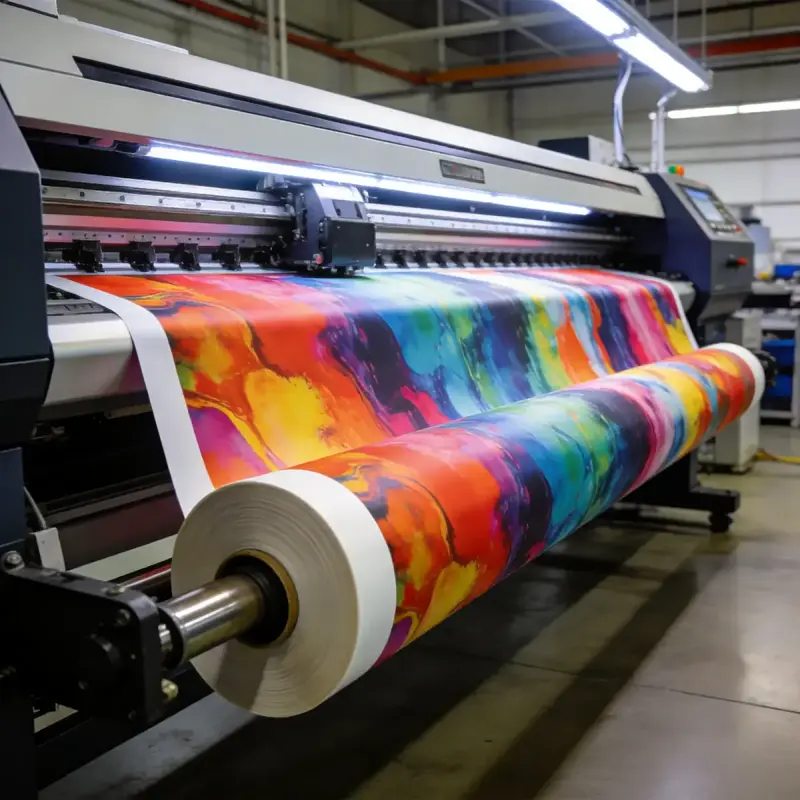
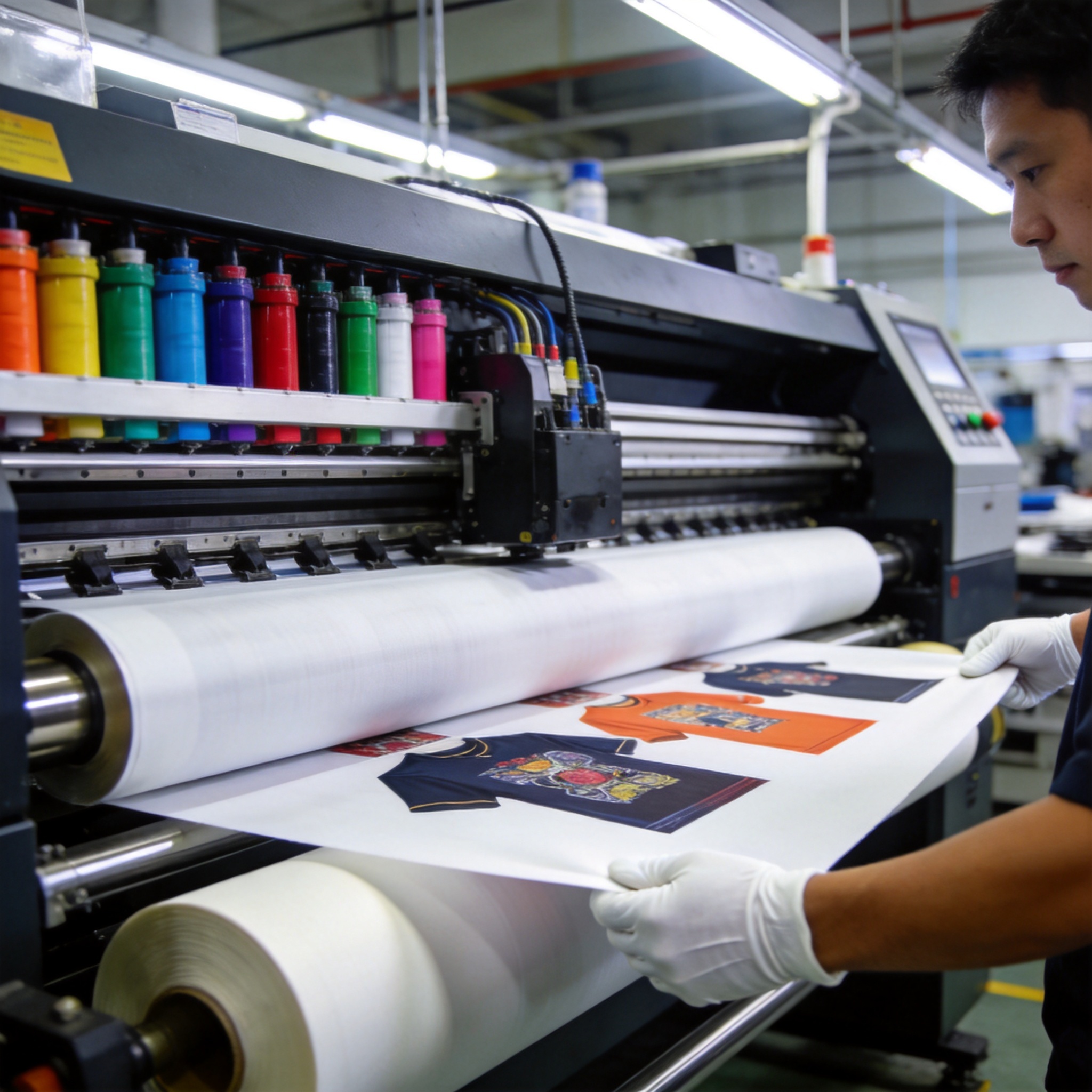
Figure 4 — Industrial sublimation printing line. Twelve 1.9 m wide-format printers run 24 hours a day in our Yiwu factory, producing ~12,000 finished sublimated garments a week.
What NOT to use. Anything with a DWR (durable water-repellent) finish, silicone softener, or fire-retardant coating. The coating blocks the sublimation dye from reaching the polyester fiber. If you need performance finishes (water repellent, anti-odor, anti-pill), apply them post-production as a separate finishing step — most can be done on polyester after sublimation without compromising print durability.
Cotton, recycled cotton, hemp, bamboo, modal, and any natural-fiber blend will not work for true sublimation. For cotton-style hand-feel with all-over print, use the allover digital print workflow on 100% cotton which has a softer finish than sublimation on a 65/35 blend — see our cotton allover print guide for the technical breakdown.
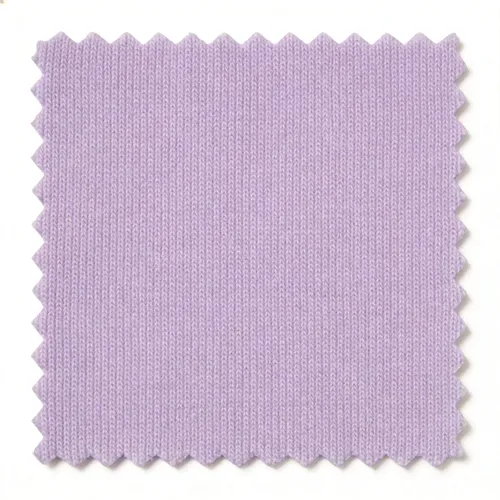
Order a fabric swatch kit before bulk production. We send a 12-fabric A5 kit with a printed color test on each swatch. The kit costs $30 to ship internationally and the fee is credited back against any bulk order above 50 pieces placed within 30 days.
05.05. Artwork Prep — Pantone Matching, Sponsor Placement, and Seam Alignment
Every esports jersey artwork file goes through the same five-step prep pipeline before production. Skip a step and you will find the mistake on the day the shipment arrives.
Step 1 — Receive artwork and audit. We accept AI, EPS, PDF, PSD, and high-res PNG (300 DPI minimum). Each artwork file is audited for: printability (no CMYK-vs-RGB mismatches, no resolution issues, no font outlines missing), sponsor placement (does the position match the league's brand kit?), and Pantone spec (does the artwork have a PMS callout for every color?).
Step 2 — Convert Pantone to printer profile. Every PMS color is converted to the equivalent on the printer profile, then Delta E checked. If the Delta E is above 2.5, we send the customer a color sample card and ask them to approve the closest match before bulk production. This is the most common "mystery" in esports jersey orders — the color you see on your monitor is not the color we can print on polyester, and the difference needs to be acknowledged in writing.
Step 3 — Add seam lines and panel markers. Every artwork proof includes the panel cut lines, seam allowances, and stitch markers. The print is laid out so that patterns wrap across panels cleanly — sponsors do not get cut in half by a side seam, chest patterns center on the body panel, sleeves align left-to-right. This is the step that separates a sublimation factory from a print house.
Step 4 — Strike-off sample. For orders above 200 pieces we send a pre-production strike-off sample: a printed fabric swatch (typically A4 size) showing every color and print position. The strike-off ships in 5-7 days via courier. Sample approval is the gate to bulk production.
Step 5 — Bulk print. Once the strike-off is approved, we run the bulk. Each production batch has a color-control strip printed at the edge of the fabric that is checked against the approved strike-off at every 100th garment. Garments that drift more than Delta E 2.5 from the control are removed from the batch.
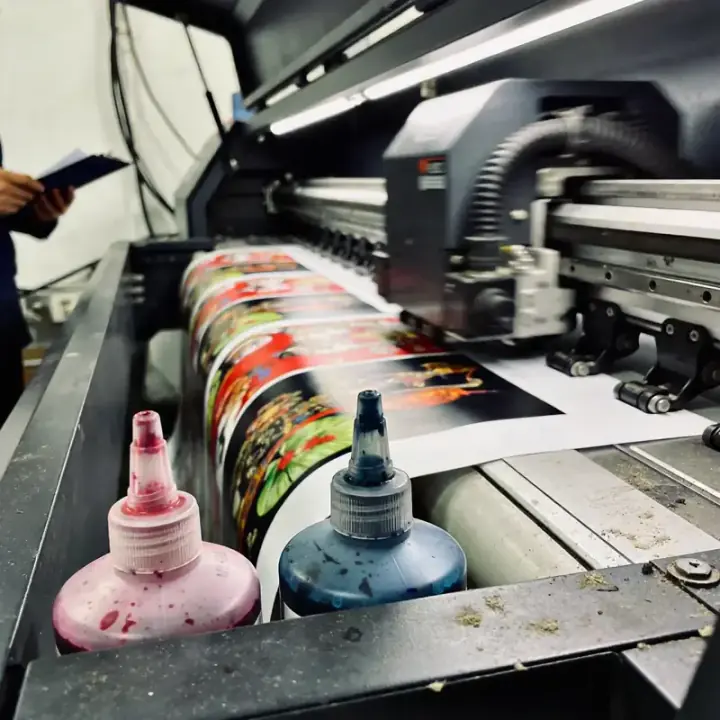
Figure 5 — Print head close-up showing the color control strip and panel alignment marks. Every batch gets checked at 100-garment intervals against the strike-off.
06.06. Quality Control and AQL — The Inspection That Decides Whether Your Shipment Ships
If you take one piece of advice from this entire post, take this one: agree on an AQL (Acceptable Quality Level) standard with your factory before you place the order, in writing, with the inspection report attached to the dispatch. This is the difference between a factory that delivers in September and a factory that delivers in December.
We run AQL 2.5 General Inspection Level II as our default — meaning a sample size drawn from ISO 2859-1, with a maximum of 2.5% defective units in the sample for the lot to pass. For most esports orders this means checking 32 garments from a 500-piece run, 50 garments from a 1,000-piece run, and 80 garments from a 5,000-piece run.
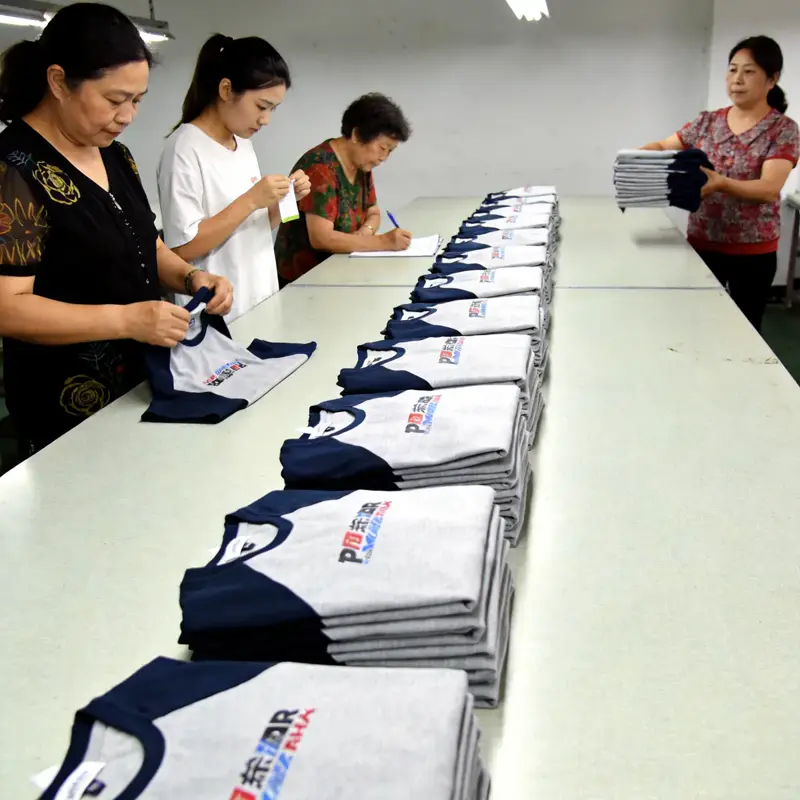
Figure 6 — AQL 2.5 inspection at the QC station. Color control charts, sizing rulers, and a reference sample pinned on the wall behind every inspector.
We inspect for six categories, in order of how often we catch defects:
1. Print quality. Color Delta E vs strike-off, print alignment to panels, no banding from print-head misfires, no creases from fabric handling. The most common defect catch.
2. Seams. No broken stitches, no skipped stitches, no twisted seams, seam alignment matches the construction spec.
3. Sizing. Each size measured against the size spec on at least 8 critical points (chest, body length, sleeve length, hem, collar, cuff, shoulder, pant inseam if applicable). Tolerances are +/- 5 mm for most points, +/- 3 mm for collars and cuffs.
4. Fabric defects. No holes, no stains, no slubs, no dye streaks, no barre. The fabric mill's QC catches most of these before fabric leaves the mill — we re-check on receipt and at the QC station.
5. Trim and finishing. Drawcords, zippers, buttons, hem stitch, reflective tape, woven labels — every trim component checked against the spec.
6. Packaging. Folding, poly-bag, size sticker, master carton labels, packing list accuracy.
If you do not specify an AQL level in your purchase order, the factory will default to whatever their internal quality cadence is — and that cadence can range from "looks fine when I peek at it" to a fully documented ISO 2859-1 sampling plan. The first time you have to do a re-print on a tight tournament deadline because the factory's interpretation of "looks fine" was different from yours, you will remember this paragraph.
07.07. MOQ, Lead Time, and DDP Pricing — Real Numbers for Esports Teams
MOQ. 50 pieces per design, with sizes mixed freely inside the 50. We do not have a maximum MOQ — current esports orders range from 50-piece fan-run tests to 12,000-piece league-wide seasonal runs.
Lead time. 15-25 days for bulk, broken down: 3-5 days for artwork prep and strike-off, 5-7 days for sample shipping and approval (customer responsibility), 12-15 days for bulk production, 2-3 days for QC + packing. Rush orders (under 14-day turnaround) are accepted at a 30-50% surcharge plus air-freight shipping.
DDP pricing (delivered to your door, no surprise fees). Indicative price ranges for a typical 160 GSM polyester interlock esports jersey with full-edge sublimation, individual poly-bag, and DDP shipping included:
50-200 pieces: ~$14-18 per jersey including DDP to a US or EU address.
200-500 pieces: ~$11-14 per jersey.
500-2,000 pieces: ~$8-11 per jersey.
2,000+ pieces: ~$7-9 per jersey, with the price dropping further on repeat seasonal orders.
Add ~$1.50-2.50 per hoodie for the warm-up / travel hoodies and ~$0.80-1.50 per replica for the fan-replica upcharge over the player-issue price. These prices include ICC Incoterms 2020 DDP shipping — supplier pays freight, customs, duties, and last-mile delivery to your door. No surprise bills at customs.
For an exact quote on your esports order, send us the design, the garment mix, quantity per size per design, and your delivery deadline via our quote form. We respond within 24 hours with a transparent DDP line-item quote.
08.08. DDP Shipping to 17 Countries — Customs, Duties, and Last-Mile Delivery, Handled
Esports organizations are international by default — your team is in Berlin, your bootcamp is in Seoul, your merchandise drops at the LA venue. DDP (Delivered Duty Paid) shipping is the only realistic logistics model for that footprint. It means we handle freight, customs clearance, import duties, taxes, and last-mile delivery — your jersey arrives at your door and the only invoice you see is the one we sent you.
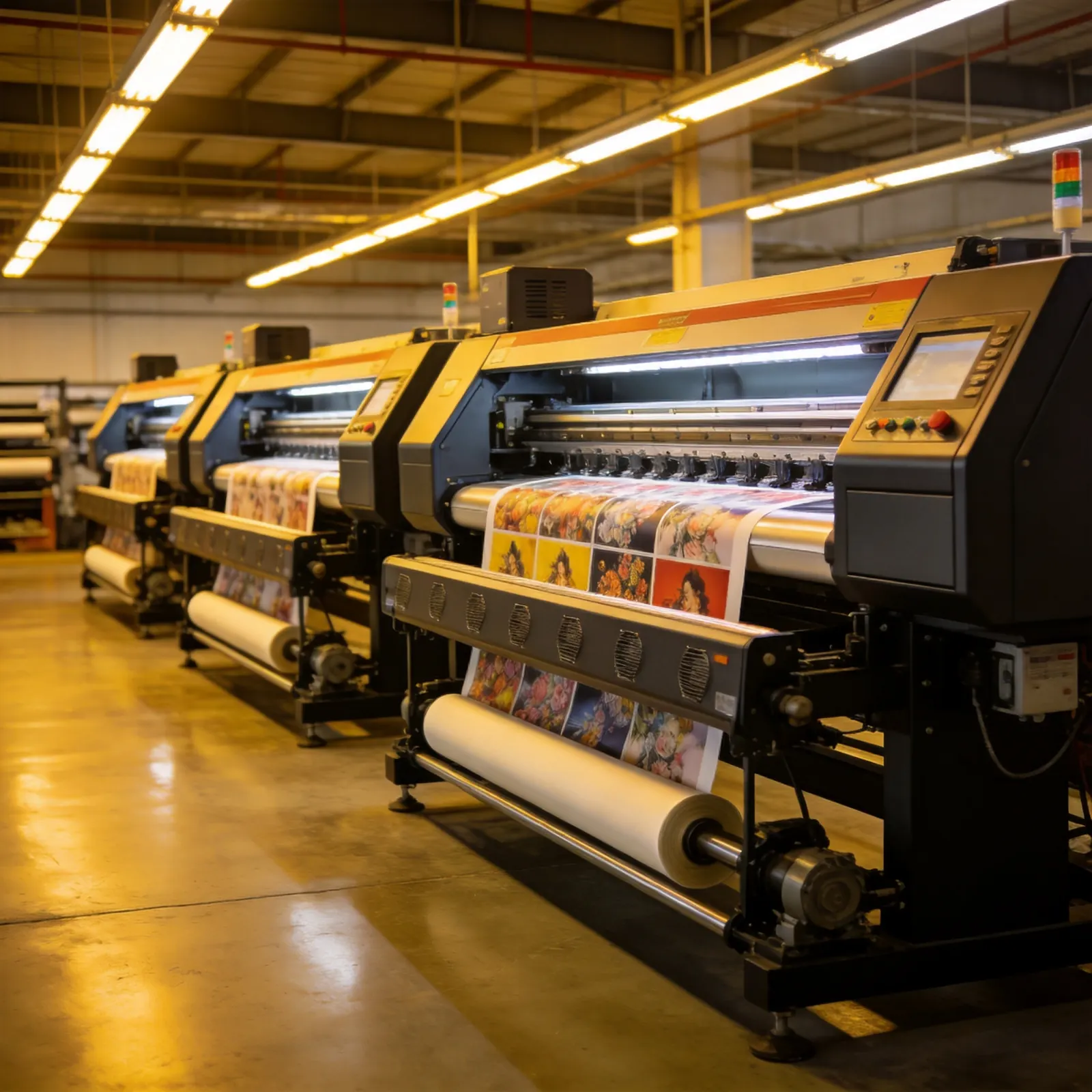
Figure 7 — The Yiwu production floor: 12 sublimation lines + cutting + sewing + QC under one roof. This is what "single-supplier accountability" looks like in practice.
Our DDP shipping network covers 60+ countries, with three primary lanes optimized for esports organizations:
US lane — 5-12 days DDP. Air freight from Hangzhou to LAX or ORD, customs clearance by our broker in Long Beach, last-mile by UPS / FedEx ground to your door. We hold a 5,000 sq ft warehouse in Fontana, CA for fast domestic fulfillment on restocks.
EU lane — 7-14 days DDP. Air freight from Hangzhou to Frankfurt or Amsterdam, customs clearance by our EU broker, last-mile by DHL or DPD to your door. Germany, France, Netherlands, Sweden, Spain, Italy, Poland, and the UK are our highest-volume EU destinations.
APAC lane — 3-7 days DDP. Air freight from Hangzhou to Incheon, Narita, Singapore Changi, or Manila. Customs cleared by our APAC brokers. Korea, Japan, Singapore, Australia, and the Philippines are common esports destinations.
Contact our team with your shipping destination and order volume for an exact DDP line-item quote.
09.09. Choosing an Esports Apparel Factory — 12 Questions to Ask Before You Pay
There are roughly 200 factories in China and Southeast Asia that claim to make custom esports jerseys. Maybe 30 of them do it well enough that you would reorder. Here are the 12 questions we recommend asking every supplier — including us.
1. Do you run a strike-off sample for orders above 200 pieces? If the answer is no, walk away. The strike-off is the only way to confirm color, position, and fabric hand-feel before you commit to bulk.
2. What is your AQL inspection standard? Vague answers ("we check everything") are a red flag. Look for a specific AQL level with a specific standard (ISO 2859-1 is the gold standard).
3. Can I see photos of past esports orders? Not stock photos — actual factory photos or sample kits from past esports customers. Most factories will anonymize the brand, but they should have real production evidence.
4. What is your standard production lead time? Anything under 10 days for bulk is a lie or a rush surcharge. Real production lead time is 12-15 days for bulk + 5-10 days for DDP shipping.
5. What is your policy on re-prints for quality failures? Get this in writing. The best factories credit re-prints against future orders or replace defective units at no cost. The worst factories argue about whether the defect counts.
6. Do you handle the artwork prep and seam alignment in-house? Out-sourced artwork prep is the most common source of print errors. You want the artwork team sitting next to the production team.
7. Can you match Pantone Solid Coated colors? Most sublimation factories can match to 90-95%. If a factory claims 100% match, they are overselling. Look for an honest Delta E benchmark and a willingness to run a lab dip on white fabric for an extra fee if you need <2.0 Delta E.
8. What is your fabric sourcing model? Mills you have heard of (e.g. Yueda, Hengli, Nibc) or mills you have not? Both can be fine, but you want to know whether the factory sources from the same mill consistently or chases price.
9. What is your DDP shipping coverage? A factory that says "yes we do DDP" without listing countries is guessing. Get the actual country list in writing.
10. Do you have an esports customer reference list? Most factories that do real esports work will have 2-3 organizations willing to be a reference. The ones that cannot name any esports customers are doing sportswear and hoping esports is similar. It is not.
11. What is the contract structure for IP and brand assets? Your team crest, sponsor logos, and player likenesses are valuable IP. The factory should sign an NDA before you send artwork, and the contract should specify that all artwork and unused samples are returned / destroyed at the end of the order.
12. What is your policy on Pantone color shifts across re-orders? If you reorder at the end of the season with the same artwork, the jerseys should match the first batch within Delta E 2.5. Factories that source fabric from different mills between batches can have 5-10 Delta E drift between orders. Ask what they do to control this.
If a factory answers all 12 cleanly, ask for a 50-piece trial order before your big tournament bulk. The trial tells you more in 30 days than any reference call.
010.10. The First Conversation — What to Send Your Factory
To save you time on your first email, here is the brief we want from every new esports customer. Send this and you will get a line-item quote back in 24 hours with no back-and-forth.
1. Garment type (jersey, hoodie, hoodie type, replica, polo) and quantity per size per garment.
2. Fabric preference (interlock, birdseye, brushed poly, spandex blend) — if you do not have a preference, tell us the climate and the player comfort brief and we will recommend.
3. Artwork files for every garment (AI / EPS / PDF / PSD; PNG at 300 DPI minimum).
4. Pantone callouts for every color in the artwork (PMS Solid Coated numbers, not CMYK values).
5. Sponsor placement reference if you have a league brand kit — sends the position spec to us as a separate file.
6. Delivery deadline (event date, venue, shipping destination).
7. Any special requirements — anti-odor finish, reflective tape, custom neck labels, hangtags, poly-bag packaging.
We respond within 24 hours with: a per-garment unit price, a DDP shipping line-item to your door, a strike-off sample timeline, and the production calendar with key milestones (sample approval, bulk production, QC, packing, shipping). Send us your brief via our quote form to start.
?Frequently Asked Questions
What is the minimum order quantity for custom esports jerseys?
Our MOQ for custom esports apparel is 50 pieces per design, with sizes mixed freely inside the 50-piece minimum. For smaller 25-piece runs (common for new teams or limited drops), we offer a 30-piece mini-MOQ at a small setup fee per design. There is no maximum — current esports orders range from 50-piece fan-run tests to 12,000-piece league-wide seasonal runs. We do not require a minimum reorder quantity between seasons, so you can order 50 pieces for a regional qualifier and 5,000 pieces for a finals run in the same year.
How long does it take to get custom esports jerseys delivered?
From artwork approval: 17-30 days door-to-door, broken down as 12-15 days for bulk production + 5-12 days for DDP shipping (US lane: 5-12 days, EU lane: 7-14 days, APAC lane: 3-7 days). Add 5-7 days for the strike-off sample to ship to you, plus the time you take to approve it — typically 1-3 days. For rush orders under 14 days, expect a 30-50% rush-production surcharge plus air-freight shipping at cost. Many esports organizations order 60-90 days before their tournament to avoid rush fees — the production calendars at most factories fill up 60-90 days out.
Can you match Pantone colors exactly for esports jerseys?
On polyester sublimation we match Pantone Solid Coated colors to within 90-95% of the Pantone book, which translates to a Delta E (perceptual color difference) of 1.5-2.5 against the reference. The 5-10% gap comes from the difference between coated paper (Pantone reference) and dyed polyester fiber — polyester reflects light slightly differently than coated paper. We confirm every PMS match on a printed fabric swatch before bulk production. For sponsor-patch matching that requires tighter than Delta E 2.0 (rare, but happens with major global sponsors), we can run a lab dip on white base fabric for an extra ~$80 setup fee.
What fabric is best for esports jerseys?
Polyester interlock at 160-180 GSM is the best fabric for most esports jerseys. It accepts sublimation dye for edge-to-edge print, has a soft hand-feel suitable for 9-hour practice days, and survives 200+ wash cycles without pilling or print fade. For hot-climate tournaments (Singapore, Manila, Brazil), we recommend 140-150 GSM birdseye mesh for better wicking. For warm-up hoodies, 280-320 GSM brushed polyester is the standard. Avoid cotton, recycled cotton, and any fabric with a DWR finish — the dye will not bond and the print will wash out in 5-10 cycles.
Do you offer rush production for esports tournaments?
Yes. We hold capacity for rush esports orders and can turn around polyester sublimation jerseys in 7-10 days for a 30-50% rush-production surcharge, plus air-freight shipping at cost. Rush orders must still go through the same strike-off sample approval, but we can compress the sample shipping leg to 3-4 days (DHL Express) and the bulk production to 7-10 days (by adding shifts on the production lines). Send us your design and tournament date via our quote form and we will tell you immediately if we can hit your deadline.
Can I order sample esports jerseys before committing to a full bulk run?
Yes. We offer two sample options for esports customers: (1) a printed fabric swatch (12x12 inches or A4) at $30 to confirm color, print quality, and fabric hand-feel, with 5-7 day shipping; or (2) a single fully finished sample jersey at $45-65 depending on fabric, with 7-10 day shipping. Both sample fees are credited back against any bulk order above 50 pieces placed within 30 days. For most first-time esports customers we recommend ordering the printed swatch + a single finished jersey so you can confirm both color and construction before bulk.
Do you handle DDP shipping and customs for international esports orders?
Yes. All of our esports quotes are quoted DDP (Delivered Duty Paid) per ICC Incoterms 2020 — meaning the price we quote includes freight, customs clearance, import duties, taxes, and last-mile delivery to your door. DDP shipping to the US takes 5-12 days (air freight via LAX or ORD, customs cleared by our broker in Long Beach, last-mile by UPS or FedEx ground). EU DDP takes 7-14 days (via Frankfurt or Amsterdam, cleared by our EU broker). APAC DDP takes 3-7 days (via Incheon, Narita, Singapore Changi, or Manila). There are no surprise customs bills on arrival — the price we quote is the price you pay.
What is AQL 2.5 and why does it matter for esports jersey orders?
AQL (Acceptable Quality Limit) 2.5 is the quality standard we use on every esports jersey order, meaning a sample size drawn from ISO 2859-1 General Inspection Level II with a maximum of 2.5% defective units in the sample for the lot to pass. For a 500-piece esports order this means inspecting 32 garments; for a 1,000-piece order we inspect 50; for a 5,000-piece order we inspect 80. We check each garment for print quality (color Delta E vs strike-off, alignment, no banding), seams (no broken or skipped stitches), sizing (8 critical measurement points per size), fabric (no holes, stains, slubs), trim and finishing, and packaging. The inspection report is attached to the dispatch and shared with the customer. If the lot fails AQL, we re-inspect 100% of the lot at no charge and replace defective units.
Can you handle all the garments in an esports apparel range at once?
Yes. Most esports organizations order 3-6 different garments per season (match jersey, away jersey, warm-up hoodie, travel hoodie, replica fan jersey, media-day polo), and we run all of them through the same production lines at the same time. A typical 6-garment, 1,500-piece full-season run takes 18-22 days from artwork approval to bulk delivery, with all garments shipping as a single DDP shipment to your door. Handling the full range in one order is more efficient than splitting — one set of artwork, one strike-off round, one DDP shipment, one customs clearance.
How do you protect our team crest and sponsor IP?
All artwork, brand assets, and player likenesses you send us are covered by an NDA (non-disclosure agreement) we sign before artwork submission. The production contract specifies that all artwork files and unused samples are returned or securely destroyed at the end of the order. We do not use customer artwork for marketing, factory showcases, or as factory stock. For tournament-level orders we additionally offer a dedicated production line for the duration of your order, so your artwork never crosses with another customer's print run.
Ready to start?
Get a custom quote in 24 hours.
Send us your design, quantity, and deadline. We will recommend the right technique and provide a transparent DDP quote including shipping to your door.
Get a Free Quote