DTG (Direct to Garment) and DTF (Direct to Film) are the two most common digital decoration methods for short-run custom apparel. They look similar from the outside — both produce full-color, photographic-detail prints with no screens. But the underlying process, fabric compatibility, durability, and cost are very different.
This guide breaks down the real-world differences between DTG and DTF, based on our production experience running both methods on the same factory floor. We will tell you when each one wins — and when neither is the right choice.
01.How DTG Printing Works
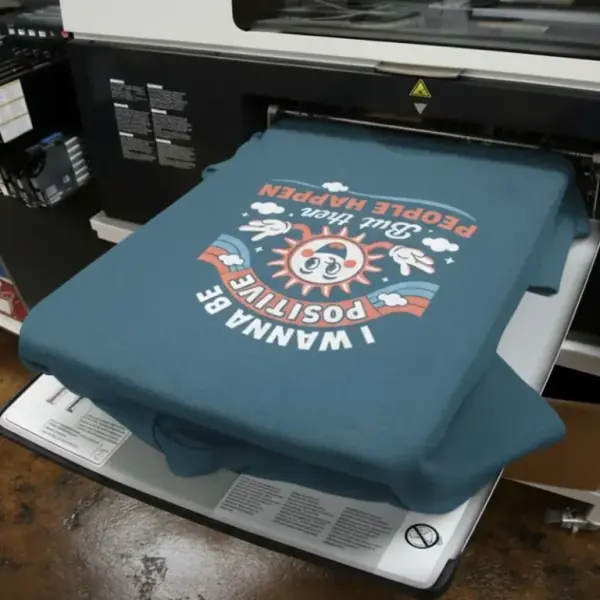
DTG uses a modified inkjet printer to apply water-based ink directly into the fibers of a cotton garment. There are no screens, no setup, no color limit. You can print a full-color photograph on a white t-shirt in a single pass.
DTG works best on 100% cotton or high-cotton blends (65%+ cotton). The ink is pre-treated for dark garments with a white underbase. The result is a soft-hand print that feels like part of the fabric.
02.How DTF Printing Works
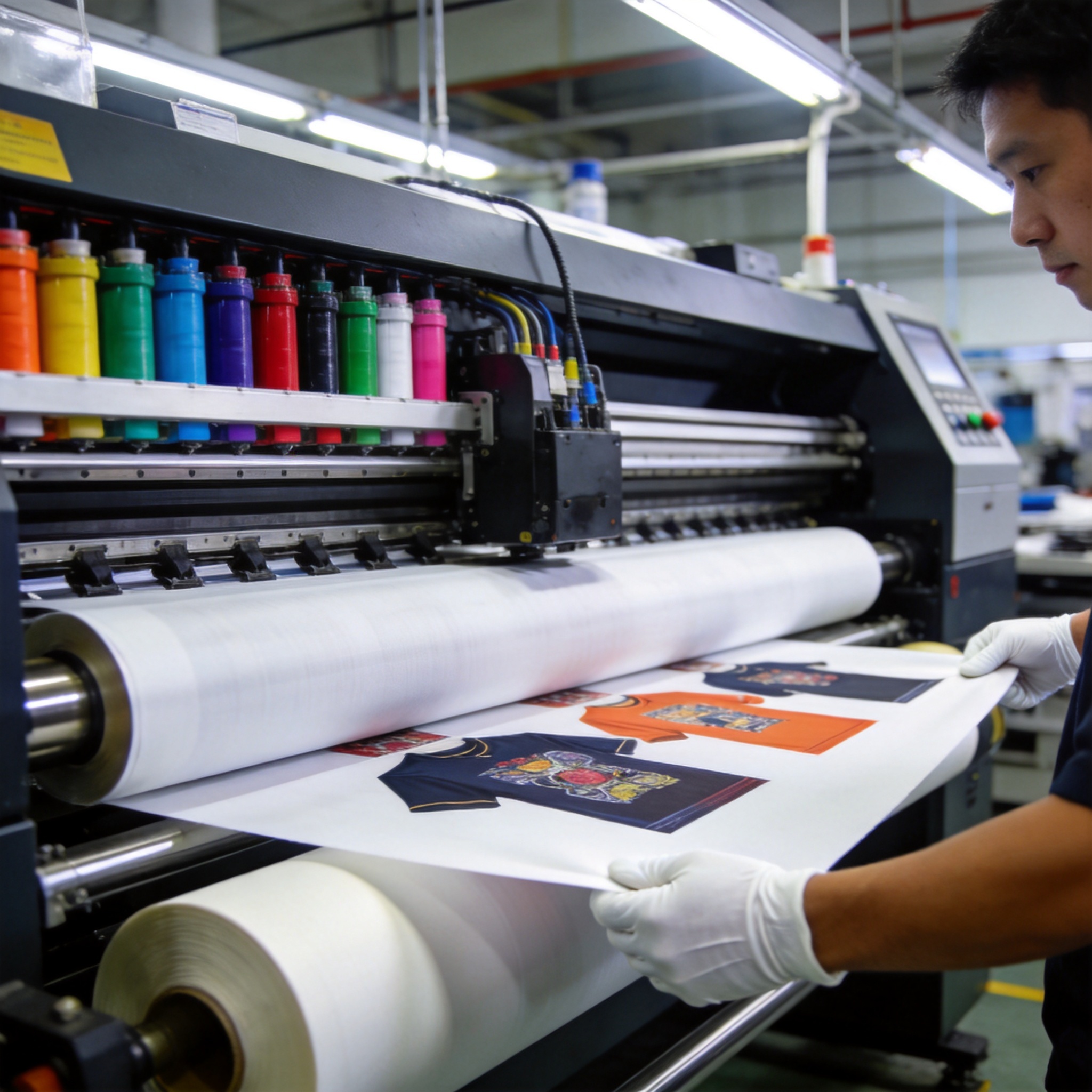
DTF prints the design onto a special transfer film first, then heat-presses the film onto the garment. The film carries the ink plus a hot-melt adhesive that bonds to almost any fabric — cotton, polyester, nylon, leather, performance blends.
DTF is the most versatile decoration method we offer. It works on fabric that DTG cannot print on, and on dark garments without the pre-treatment step. The trade-off: the print has a slightly more noticeable hand-feel than DTG, though modern DTF is much thinner than older plastisol transfers.
03.Head-to-Head Comparison
Fabric compatibility: DTG wins on cotton, loses on polyester. DTF works on any fabric.
Hand-feel: DTG is softer, more like part of the fabric. DTF is slightly raised but much thinner than traditional transfers.
Durability: Both last 50+ washes. DTF is slightly more flexible on performance fabrics.
Cost: DTG is more expensive per piece but cheaper for very small runs (1-10 pieces). DTF is more cost-effective at 50+ pieces.
Setup: DTG has near-zero setup. DTF requires film printing and powder adhesive.
04.When to Choose DTG
Choose DTG when: (1) you are printing on 100% cotton, (2) you want the softest possible hand-feel, (3) you need a one-off or very small run (1-10 pieces), (4) you are doing print-on-demand or made-to-order, (5) the design is photographic or has gradients.
05.When to Choose DTF
Choose DTF when: (1) you are printing on a mix of fabric types (cotton + poly + nylon), (2) you need a faster, more cost-effective run of 50+ pieces, (3) you want more flexibility for performance or activewear, (4) you are decorating structured items like caps and bags.
06.When Neither Is the Right Choice
If you want a true all-over print edge-to-edge — neither DTG nor DTF can do it. Use sublimation. If you need a premium logo decoration on a polo or cap — use embroidery. If you have a 5,000-piece run of simple graphics on cotton — use screen printing, it will be 3-5x cheaper than either.
?Frequently Asked Questions
What is the difference between DTG and DTF printing?
DTG (Direct-to-Garment) sprays water-based ink directly onto the fabric using a print head, like an inkjet printer. DTF (Direct-to-Film) prints the design onto a special film first, then transfers it to the garment with adhesive powder and heat. DTG is best for 100% cotton; DTF works on cotton, polyester, blends, and dark fabrics.
Is DTF better than DTG for small orders?
Yes, DTF is usually better for small orders. DTF transfers can be pre-printed and stored, then heat-pressed onto garments on demand — no pre-treatment required. DTG requires pre-treating the garment, a flat surface, and slower production, making it less efficient for runs under 50 pieces.
Can DTF be used on any fabric?
Yes. DTF works on cotton, polyester, blends (50/50, 65/35), nylon, leather, and even non-apparel surfaces. This is the main advantage over sublimation, which is restricted to polyester. DTF is the most versatile digital decoration method for mixed-material orders.
Which is more durable, DTF or DTG?
Both are durable for normal wear, but they age differently. DTF prints sit on top of the fabric with a thin adhesive layer, so they can crack or peel at the edges after 50+ heavy washes. DTG ink soaks into the cotton fibers, so it ages with the fabric and tends to last longer on 100% cotton shirts.
Is DTF more expensive than DTG?
Per-piece cost is similar at small volumes, but DTF is usually cheaper at scale because pre-printed transfers can be applied quickly with a heat press. DTG requires more time per garment (pre-treatment + printing + curing). For runs over 100 pieces, DTF is typically 20-40% cheaper per piece.
Ready to start?
Get a custom quote in 24 hours.
Send us your design, quantity, and deadline. We will recommend the right technique and provide a transparent DDP quote including shipping to your door.
Get a Free Quote