[ loading / sublimapparel ]
One moment — pulling in the catalog…
One moment — pulling in the catalog…
Raised (embossed) or recessed (debossed) designs pressed into the fabric. Premium, subtle, and tactile — perfect for leather, caps, and luxury apparel.
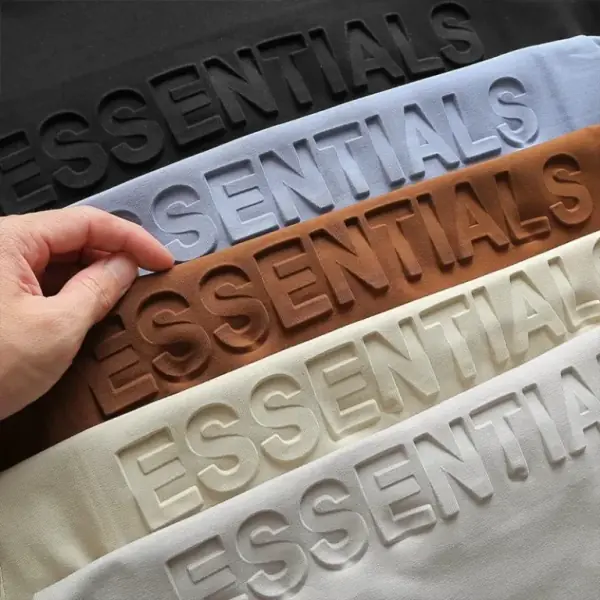
Embossing and debossing use heat and pressure to create raised (embossed) or recessed (debossed) designs on fabric, leather, or synthetic materials. Unlike printing, no ink is used — the design is part of the material itself.
At SublimApparel, we run heat-press embossing for caps, leather patches, performance fabrics, and synthetic materials. Embossing is most popular for premium leather goods, branded caps, and luxury retail apparel where the design should feel like a permanent part of the material.
Embossing creates a subtle, premium, tactile effect that printing cannot replicate. Debossing (recessed) is even more understated — popular for high-end leather goods and minimalist design.
Custom metal die is created in the design shape. Brass dies for production, magnesium for samples.
Die is heated to precise temperature (varies by material — leather needs lower heat than synthetics).
Material is placed in heat press. Die is pressed for 5-15 seconds under high pressure.
Material is cooled and inspected. Embossed areas should be clearly raised; debossed clearly recessed.
Each piece is inspected for design depth, clarity, and consistency.
No. Embossing works best on materials that hold shape under heat and pressure — leather, faux leather, performance fabrics, structured caps. Soft fabrics like jersey cotton don't emboss well.
Embossing raises the design above the material surface. Debossing recesses it into the surface. Embossing is more common; debossing is more subtle.
Forever. The design is part of the material, not an applied layer. It cannot fade, peel, or wash off.
There is a one-time die-making cost (~$80-200 per design), plus per-piece pressing. Total cost is similar to other premium finishes like 3D puff.
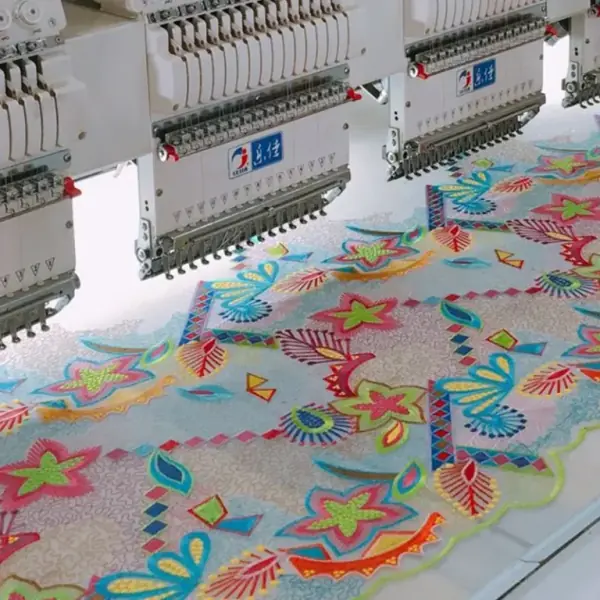
Stitched-in quality. Embroidery gives logos, monograms and crests a premium tactile feel that screen printing cannot match — and it never fades.
View details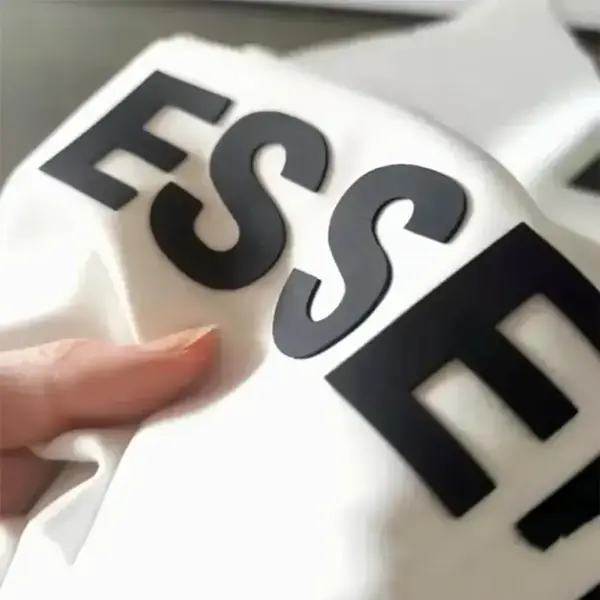
3D rubber finish with soft, flexible, durable feel. Silicone transfers give designs a premium raised look that screen printing can't match.
View detailsGet a quote
You will have a landed, duty-paid price within one business day. If your deadline is not achievable, we will say so in the same reply rather than take the order and manage the problem later.