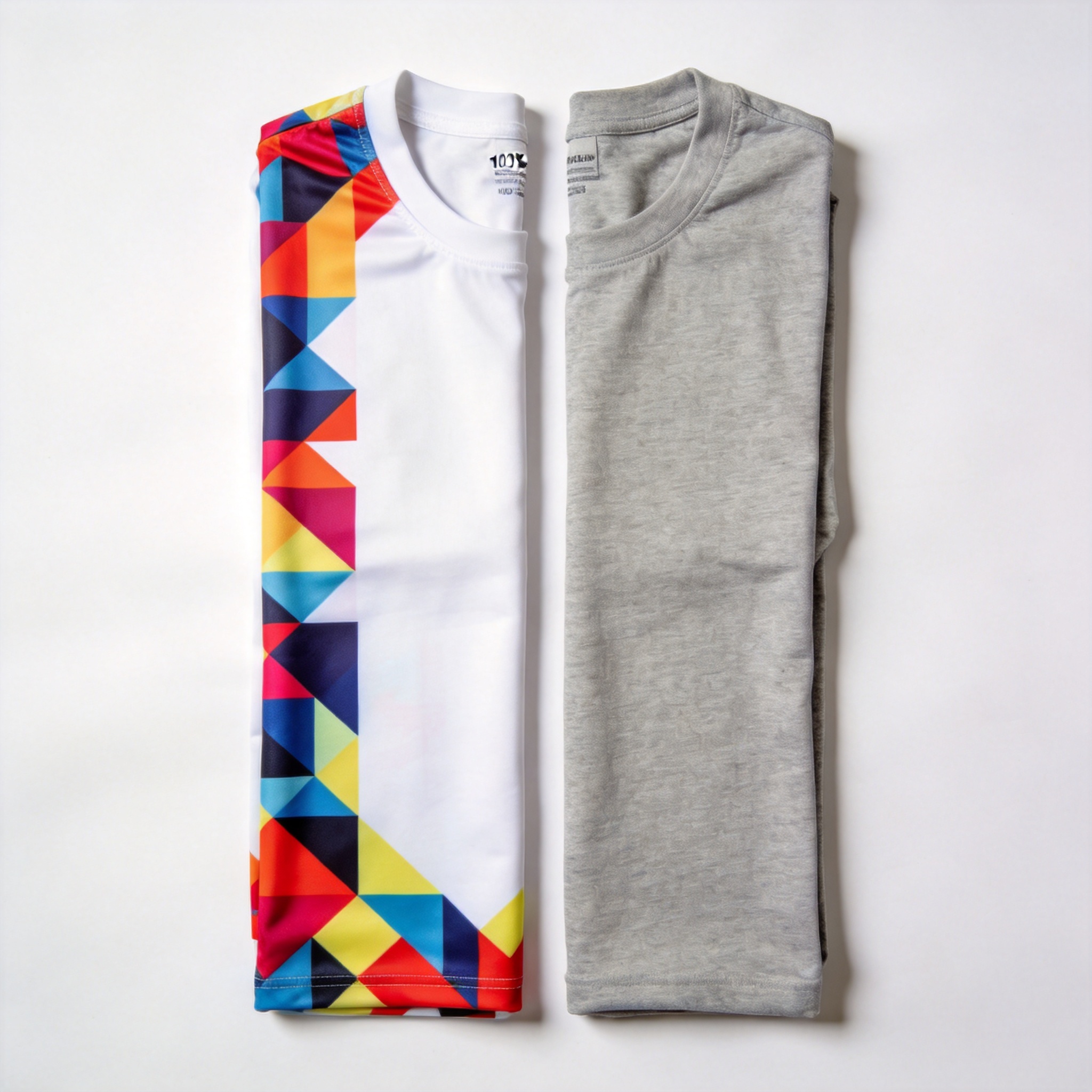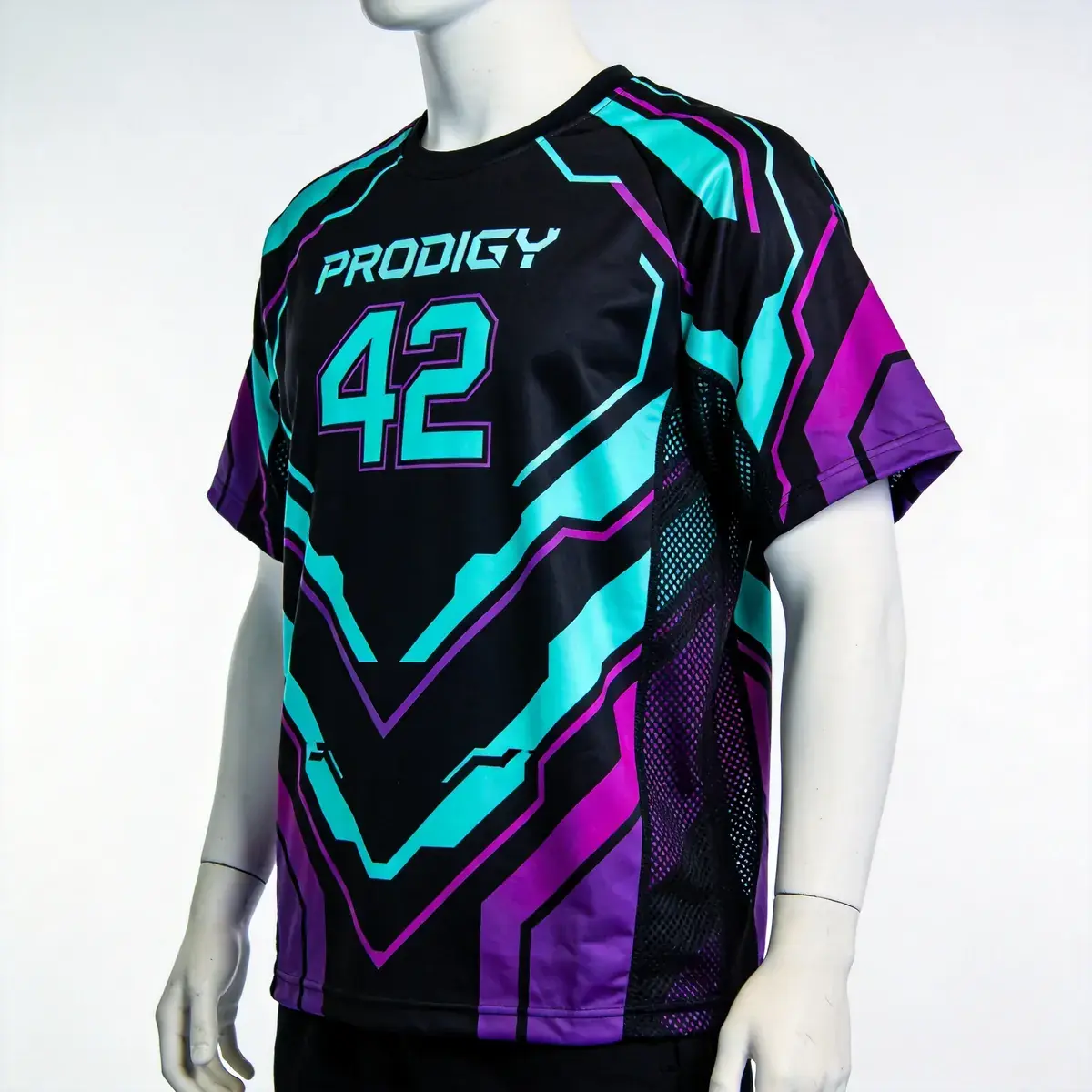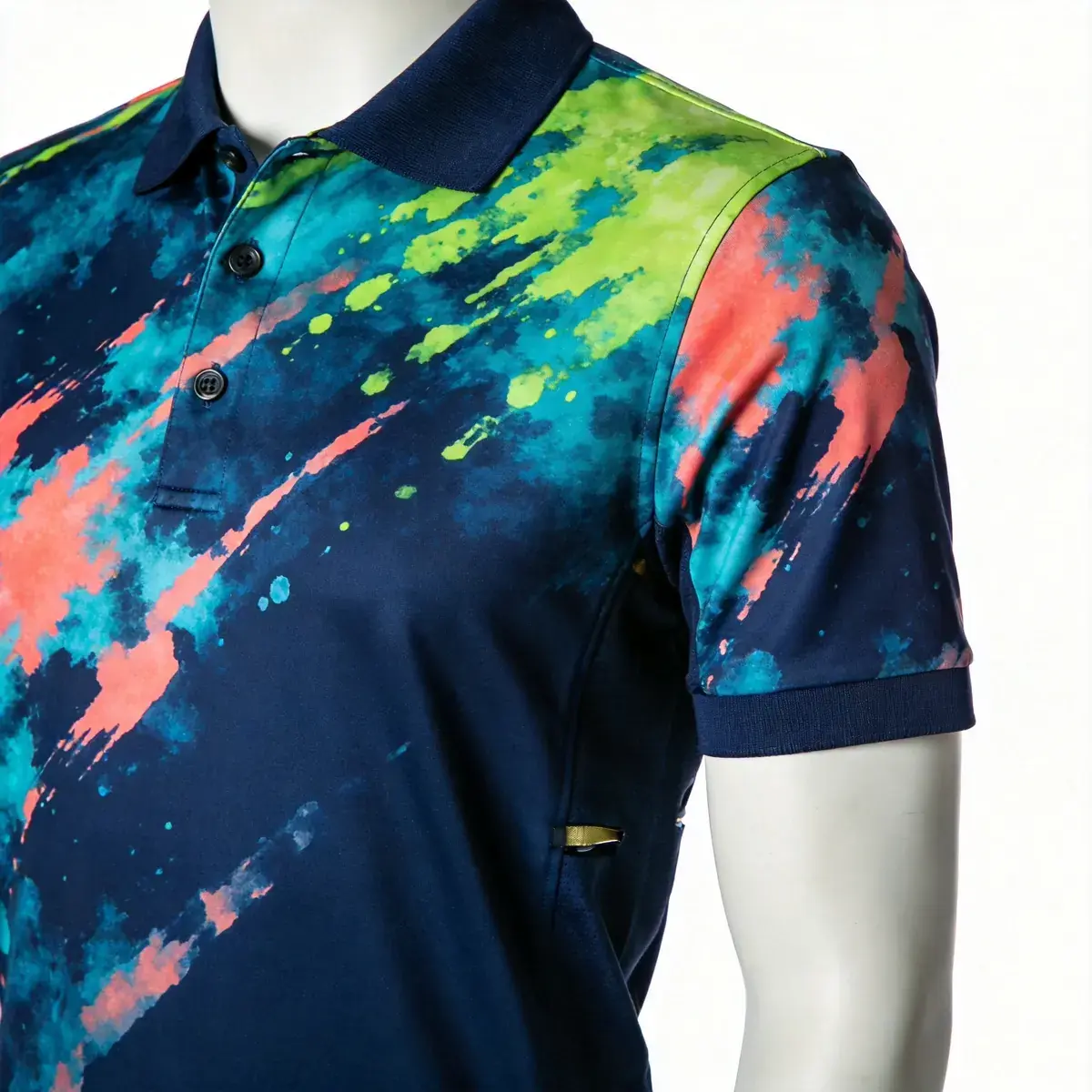
A cycling jersey is not a t-shirt with a zip. It is technical apparel engineered for 4-8 hours of sustained effort, sweat, sun exposure, and aerodynamic drag. The wrong fabric choice will leave the rider uncomfortable, sweaty, and chafed. Here is what the pros use, and how to spec the right fabric for your custom cycling jersey.
01.The Right Polyester for Cycling
All pro cycling jerseys are 100% polyester — the sublimation print is the entire design, so the fabric has to accept dye. The standard weight is 120-140 GSM: light enough to be aerodynamic and breathable, heavy enough to drape well and not look see-through.
For cooler-weather jerseys (spring/fall), we use 160-180 GSM with a brushed interior for warmth. For hot-weather and racing jerseys, we use 110-130 GSM with a mesh side panel for ventilation.
02.Moisture Management and Quick-Dry
Pro jerseys use hydrophobic polyester (moisture-wicking) that pulls sweat away from the skin to the fabric surface, where it evaporates. The result: the rider feels dry even after 2-3 hours of climbing.
Avoid hydrophilic treatments (which absorb sweat) — they feel wet and stay wet. Quick-dry tests are simple: drop water on the fabric, it should spread and evaporate in under 30 seconds, not sit in a bead.
03.UV Protection
For outdoor cycling, UPF 30+ is a minimum. UPF 50+ is standard for pro team kits. The tighter the weave, the better the UV protection. Our 140 GSM pro jersey fabric is UPF 50+ rated.
04.Stitching and Aerodynamics
Pro jerseys use flatlock seams everywhere — they lie flat against the skin and don't chafe under sustained effort. The hem is held in place by silicone gripper elastic (not regular elastic which can pinch). Sleeves use raw-cut or laser-cut edges for aerodynamics.
Avoid jerseys with raised overlock seams in the side or shoulder — they will chafe on a long ride. Always stress-test samples before bulk production.
?Frequently Asked Questions
What fabric do professional cycling teams use?
Pro cycling teams use 100% polyester knit fabric with a brushed or smooth finish, typically 130-180 GSM. The standard is a lightweight polyester with mechanical stretch (4-way stretch) for the body, with mesh side panels for ventilation. Premium teams add Italian fabrics like MITI or Sitip, which are heavier (180-220 GSM) and have higher compression.
Is polyester good for cycling jerseys?
Yes — polyester is the standard fabric for performance cycling jerseys. It is breathable, moisture-wicking, lightweight, and accepts sublimation printing for full-coverage team graphics. Most team kits are 100% polyester or polyester-spandex blends (typically 80/20 or 90/10) for stretch and recovery.
What is the best material for a cycling jersey?
The best all-around material for a custom team cycling jersey is 100% polyester with 4-way stretch, 140-160 GSM, with a brushed-finish back for moisture management. For premium kits, add 15-20% spandex (or use a poly-spandex blend like our poly-spandex-stretch fabric) for muscle compression and aero fit.
Are expensive cycling jerseys worth it?
For team kits, the price difference between a $25 jersey and a $45 jersey usually reflects fabric quality and print detail — better moisture-wicking, more accurate sublimation colors, and a more pro-looking finish. For weekend riders, the difference is less noticeable. For sponsored teams and race-day use, premium fabric is worth the upgrade.
How do I make a custom cycling jersey?
Five steps: (1) Send us your design (any format — even a sketch); (2) We create a digital mockup and fabric swatches for your approval; (3) We produce a strike-off sample (1-3 pieces) in 7-10 days; (4) After sample approval, bulk production takes 15-20 days; (5) DDP shipping to your door takes another 7-12 days by air or 30-40 days by sea. Total: 30-60 days door-to-door.
Ready to start?
Get a custom quote in 24 hours.
Send us your design, quantity, and deadline. We will recommend the right technique and provide a transparent DDP quote including shipping to your door.
Get a Free Quote