If you have ever opened a sublimation catalog or landed on a factory's fabric page, you have seen the term sublimation fabric used a lot. It sounds like a specific textile — but it is actually a behavior that certain fabrics have, not a single material.
In plain English: sublimation fabric is any fabric that bonds with dye-sublimation ink under heat and pressure. In practice, that means polyester and polyester-rich blends. Cotton does not qualify. This guide explains what sublimation fabric actually is, why polyester is non-negotiable, and how to pick the right knit, weight, and stretch for your project.
01.What Makes a Fabric 'Sublimation Fabric'?
Three things have to be true for a fabric to be sublimation-ready: it must contain polyester (or another synthetic that opens its polymer structure under heat), it must be clean and pre-treated (no silicone softeners, no water-repellent coatings), and the dye must be able to migrate into the fiber during the heat-press window.
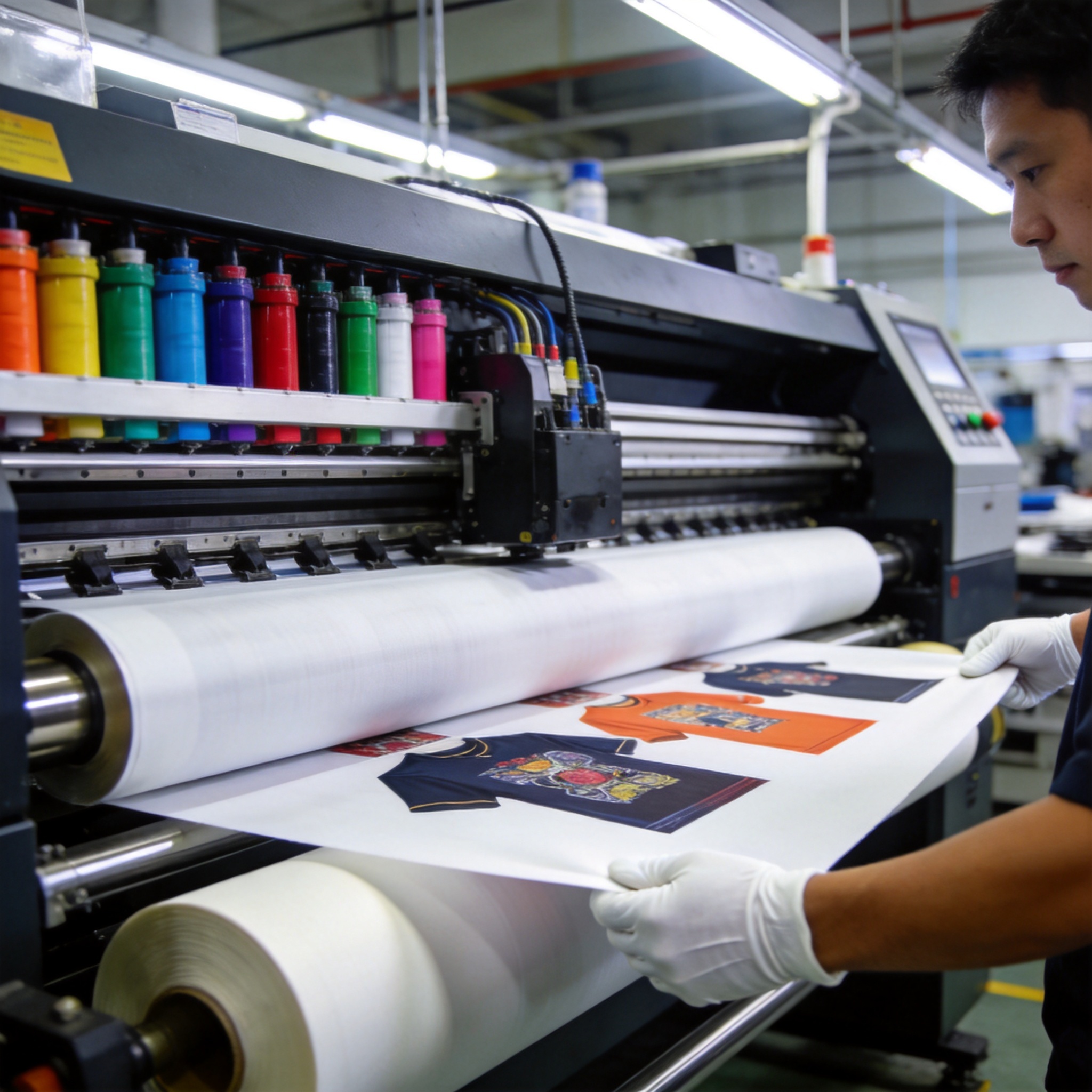
When those three conditions are met, the sublimation ink sublimates — turns from solid directly into gas — and bonds with the polyester fiber at the molecular level. The result is a print that is not sitting on the surface of the fabric. It is part of the fabric. That is why sublimated prints survive 50, 100, even 200+ washes without cracking, peeling, or fading.
For a deeper look at the underlying chemistry and process, see our sublimation printing guide and our dye sublimation process.
02.Why Polyester Is the Only Real Answer
Polyester works because the polymer chains in PET (polyethylene terephthalate) open up at around 180-200°C. When sublimation ink reaches that temperature as a gas, it slips between the open polymer chains and locks in when the fabric cools. The dye is now chemically bonded to the fiber.
Cotton does the opposite. Cotton is a natural cellulose fiber with no synthetic polymer structure — the dye gas has nothing to bond with. The ink either sits on the surface (washing off within a few cycles) or does not transfer at all. We have a full comparison of polyester vs cotton for sublimation in a separate post if you want the technical breakdown.
The short version: 100% polyester gives you the brightest colors and the most durable print. 65/35 poly-cotton blends print, but the cotton portion looks faded or washed-out. Anything below 50% polyester is not worth your time.
03.The Main Types of Sublimation Fabric
We stock over 60 sublimation-ready fabrics in our Yiwu warehouse, but the B2B market is mostly served by about a dozen. Here are the workhorses, in order of order volume:
Birdseye mesh — 140-160 GSM, 100% polyester, the standard for cycling jerseys, running singlets, and triathlon suits. Lightweight, breathable, and the small hole pattern wicks sweat well.
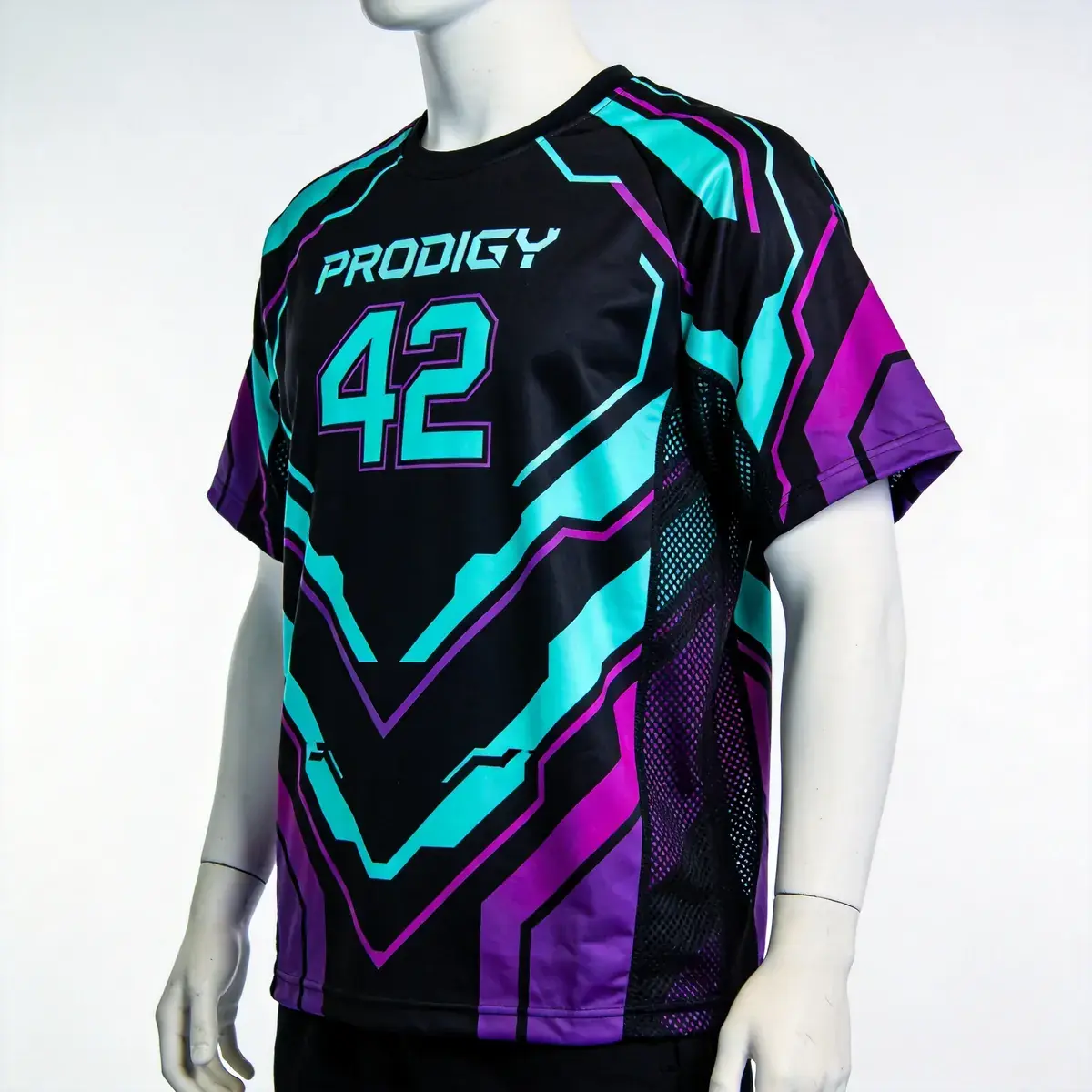
Interlock — 160-200 GSM, 100% polyester, the workhorse for t-shirts, jerseys, and esports jerseys. Smooth face, soft hand-feel, holds shape.
Brushed poly / French terry — 220-280 GSM, 100% polyester, used for hoodies, sweatshirts, and warm-up jackets. Brushed back for warmth without the weight of fleece.
PBT stretch — 180-220 GSM, polyester with PBT (polybutylene terephthalate) for chlorine-resistant stretch. The standard for competitive swimwear, triathlon suits, and race-day apparel that has to survive pool chlorine and saltwater.
Spandex blends — 80-90% polyester + 10-20% spandex, for activewear, training apparel, and any application requiring 4-way stretch.
Full catalog with GSM, composition, and recommended uses is on our fabric index.
04.What Fabrics Do NOT Work for Sublimation
Natural fibers: cotton, wool, silk, linen, hemp. The dye has no synthetic polymer to bond with. If you need an all-over print on cotton, the realistic alternatives are DTF (direct-to-film) transfers or DTG (direct-to-garment) print — both work on cotton but have trade-offs.
Coated or treated fabrics: anything with a durable water-repellent (DWR) finish, a silicone softener, or a fire-retardant coating. The coating blocks the dye from reaching the fiber. If you need a technical fabric with a DWR finish, you have to sublimate first, then apply the finish in a separate post-production step.
Very dark fabrics: sublimation ink is transparent — the white you see in the print is the white of the fabric. If you sublimate on a black or navy fabric, your print will be nearly invisible. The white base fabric is non-negotiable for true sublimation.
Recycled polyester: works, but with caveats. Recycled PET often has more variation in dye uptake, so you may see slight color shifts between panels. Test before committing to a large run. Our cotton fabric guide covers this in detail.
05.How to Choose the Right Sublimation Fabric for Your Project
Start with the end use. If you are making esports jerseys, you want a 160-180 GSM interlock with a smooth face for sharp print detail. If you are making running singlets, birdseye mesh at 140-150 GSM is the standard. If you are making cycling kits, you want a 4-way stretch spandex blend.
Match weight to climate. 140-160 GSM is the sweet spot for hot-weather performance apparel. 180-200 GSM is a year-round middle ground. 220+ GSM is for cool-weather and lifestyle applications.
Order a sample first. We send free fabric swatches and printed strike-off samples so you can test the hand-feel, stretch, and color vibrancy before committing to bulk production. Our sample kit includes the 12 most popular sublimation fabrics in A5 size with a printed color test on each.
Talk to us if you are unsure. We have been running sublimation production since 2014 and we have seen almost every fabric scenario. Send us your spec — sport, climate, print design, budget — and we will recommend 2-3 fabrics to sample. There is no charge for fabric consultation.
06.Sublimation Fabric vs All-Over Print Garments
Sublimation fabric is the material. All-over print is the result. The two terms get confused, but they are not the same thing. All-over print is a design goal (edge-to-edge artwork across the entire garment); sublimation fabric is the substrate that makes all-over print possible at scale.
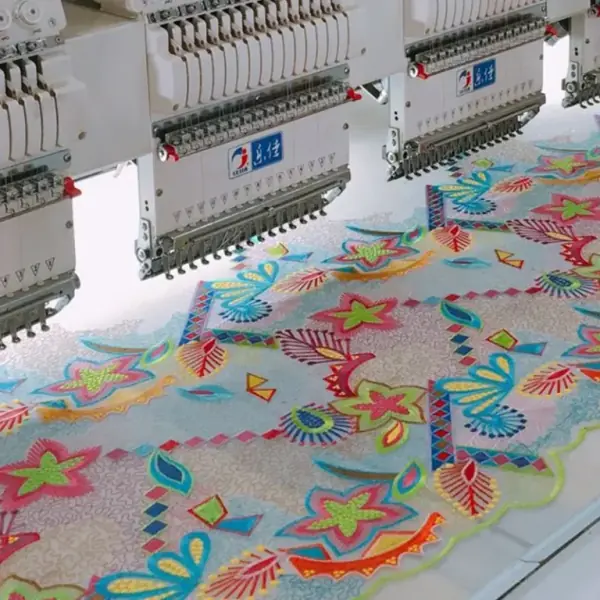
Most all-over print apparel on the market today is sublimation — because sublimation is the only decoration method that allows edge-to-edge printing with no print area limit and no surface feel. Screen printing and embroidery are limited to small areas.
If your project needs all-over print, you need a sublimation fabric. If you only need a chest logo, sublimation is overkill — screen print or embroidery is faster and cheaper for that use case. We help you pick the right method for the design, not the other way around.
?Frequently Asked Questions
What is the best fabric for sublimation printing?
100% polyester is the best fabric for sublimation printing, with bird-eye mesh, interlock knit, and brushed polyester being the most common choices. Polyester-spandex blends (typically 90/10 or 80/20) also work and add stretch, but the higher the spandex content, the more muted the colors. Avoid cotton, wool, silk, and any natural fiber — they do not bond with sublimation dye.
Can sublimation be done on 100% cotton?
No — sublimation dye only bonds with polyester fibers. For 100% cotton, the common alternatives are DTF (Direct-to-Film) transfers and DTG (Direct-to-Garment) printing. DTF is faster, cheaper at scale, and works on any fabric. DTG produces softer prints on cotton but is slower and more expensive. At our factory, we recommend DTF for cotton orders with all-over or full-color designs.
What GSM polyester is best for sublimation?
For most apparel, 140-180 GSM polyester is the sweet spot. T-shirts: 140-160 GSM. Cycling jerseys: 130-160 GSM. Polos: 180-200 GSM. Hoodies and sweatshirts: 220-280 GSM. Lower GSM (under 120) is see-through and feels cheap; higher GSM (over 280) is too heavy for warm weather. Our 65 fabric library covers all of these weights.
Is sublimation fabric different from regular polyester?
Sublimation fabric is the same physical material as regular polyester — the term 'sublimation fabric' describes how the fabric behaves with sublimation ink, not a special textile. Any polyester knit, woven, or blend will accept sublimation dye. The key is that the fabric must be 100% polyester or a high-polyester blend (above 65% polyester) for vibrant, durable colors.
Where can I buy sublimation fabric by the yard?
You can buy sublimation fabric by the yard from our factory for bulk wholesale orders (typically 100+ yards per color/style). For smaller quantities (under 100 yards), we recommend our sister platform or Alibaba. We supply sublimation fabric in rolls to apparel brands, DIY crafters, and small manufacturers worldwide — contact us with your spec for a quote.
Ready to start?
Get a custom quote in 24 hours.
Send us your design, quantity, and deadline. We will recommend the right technique and provide a transparent DDP quote including shipping to your door.
Get a Free Quote